
Knowing the job and leading people are not the same thing.
Most leaders are promoted because they are known for doing excellent work.
You can’t afford to assume they’ll be excellent at leading people.
The focus changes the moment you become responsible for leading a team.
Knowing the operation, the customer, the product, or the technical side of the job matters.
But as a leader they also have to set expectations, make decisions, delegate responsibility, address poor performance, give feedback, and develop other people.
Most were never taught how to do those things.
So they do what comes naturally.
They keep solving the problems themselves. They avoid conversations that need to happen. Or they keep sending decisions back to someone above them.
That gets expensive as the company grows.
Leadership development should change how someone leads.
I help managers and emerging leaders get better at the parts of leadership their role actually requires.
That usually means helping them become better at three things:
- Setting clear expectations and holding people accountable.
- Making decisions and taking responsibility without sending everything upward.
- Having the conversations that develop people, address problems, and keep work moving.
This isn’t about knowing more leadership concepts.
It’s about becoming more capable in the job they already have.
Leadership development has to be practical.
We work on situations leaders face every week: setting expectations, delegating responsibility, giving feedback, addressing performance, making decisions, and having difficult conversations.
Sometimes we use examples. Sometimes we use scenarios and practice. When something is sensitive, it stays private and can be worked through one-to-one.
I teach, demonstrate, ask questions, and give leaders a chance to practice before the next real situation shows up.
The goal is to help them know what to do when leadership gets difficult.
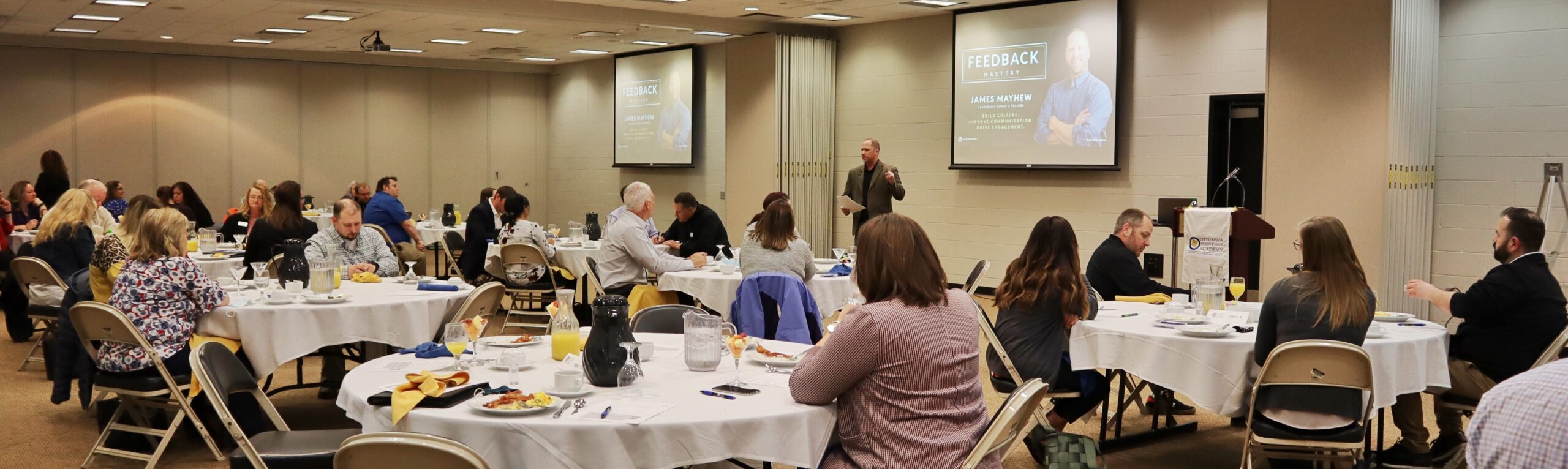
You’ll see a difference in how they lead.
They make more decisions at their level.
They address problems sooner.
They set clearer expectations.
They give better feedback.
They stop solving every problem themselves and start developing the people around them.
You’ll also see it in how they carry themselves.
More confidence. More courage. Better judgment. A willingness to have the conversation, make the decision, admit when they’re wrong, and take responsibility for what happens next.
Confidence that’s covered with humility.
They should become stronger leaders without losing the values, character, and principles that made you trust them with more responsibility in the first place.
If leadership development is working, it should be visible in the way people lead and in the kind of leader they’re becoming.
The development should fit the person.
I work with managers, emerging leaders, and leadership teams.
That may mean a series of leadership development sessions, small-group work, individual coaching, or a combination of them.
The format depends on who you are developing and what you need them to become better at.
I don’t start with a cookie-cutter program or playbook. I start with the people in the room.
High expectations don’t compromise dignity. Ever.
I expect leaders to address poor performance, have hard conversations, give honest feedback, and hold people accountable.
None of that requires disrespect, humiliation, or lowering the standard.
People should know what’s expected, where they’re falling short, and what needs to change. They should also leave the conversation knowing they were treated with respect.
That’s the kind of leader I want to help develop.
Let’s talk about your leaders.
If you have managers, emerging leaders, or a leadership team who need to become more capable, let’s talk about what you’re seeing now and what you need from them next.